How I scaled a design system across 800+ digital properties by building a governed, coded source of truth that reduced production time by 40% and lowered delivery costs by more than half.
Client details are private under an NDA.
40%Faster Production
50%+Lower Delivery Costs
18%Fewer Accessibility Defects
Introduction / Purpose
Led the strategy, architecture, and governance of an enterprise design system built to support 800+ digital properties across a global organization.
The Problem / Opportunity
Hundreds of disconnected digital properties created duplicated design and development work, inconsistent experiences, unpredictable delivery, and accessibility risk across regions and vendor teams.
Solution
Built a scalable design system operating model with a coded source of truth, cross-brand theming architecture, AEM delivery alignment, vendor onboarding, governance rituals, and accessibility reviews built into the delivery process.
Duration: 24+ Months Team Structure: Led the internal design system team and managed vendor teams up to 40 across global delivery work.
Leadership Focus
Design System Strategy
Systems Architecture
Governance & Adoption
Vendor Enablement
Executive Communication
Accessibility Integration
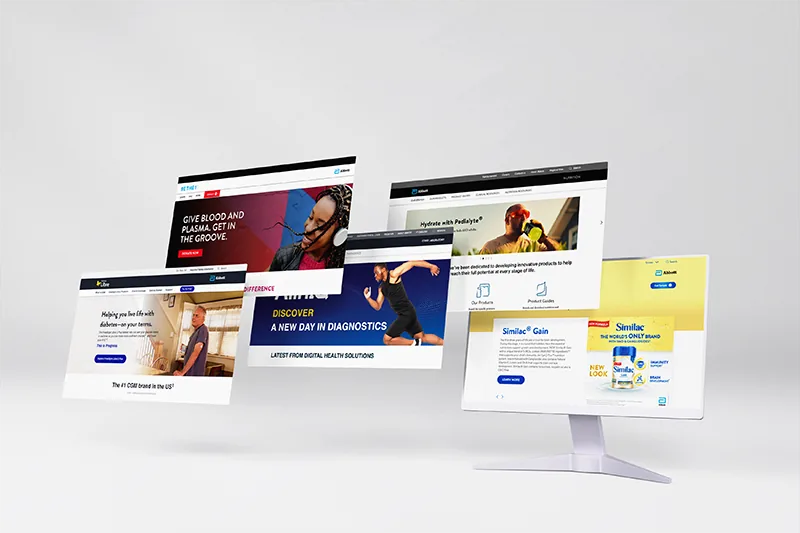
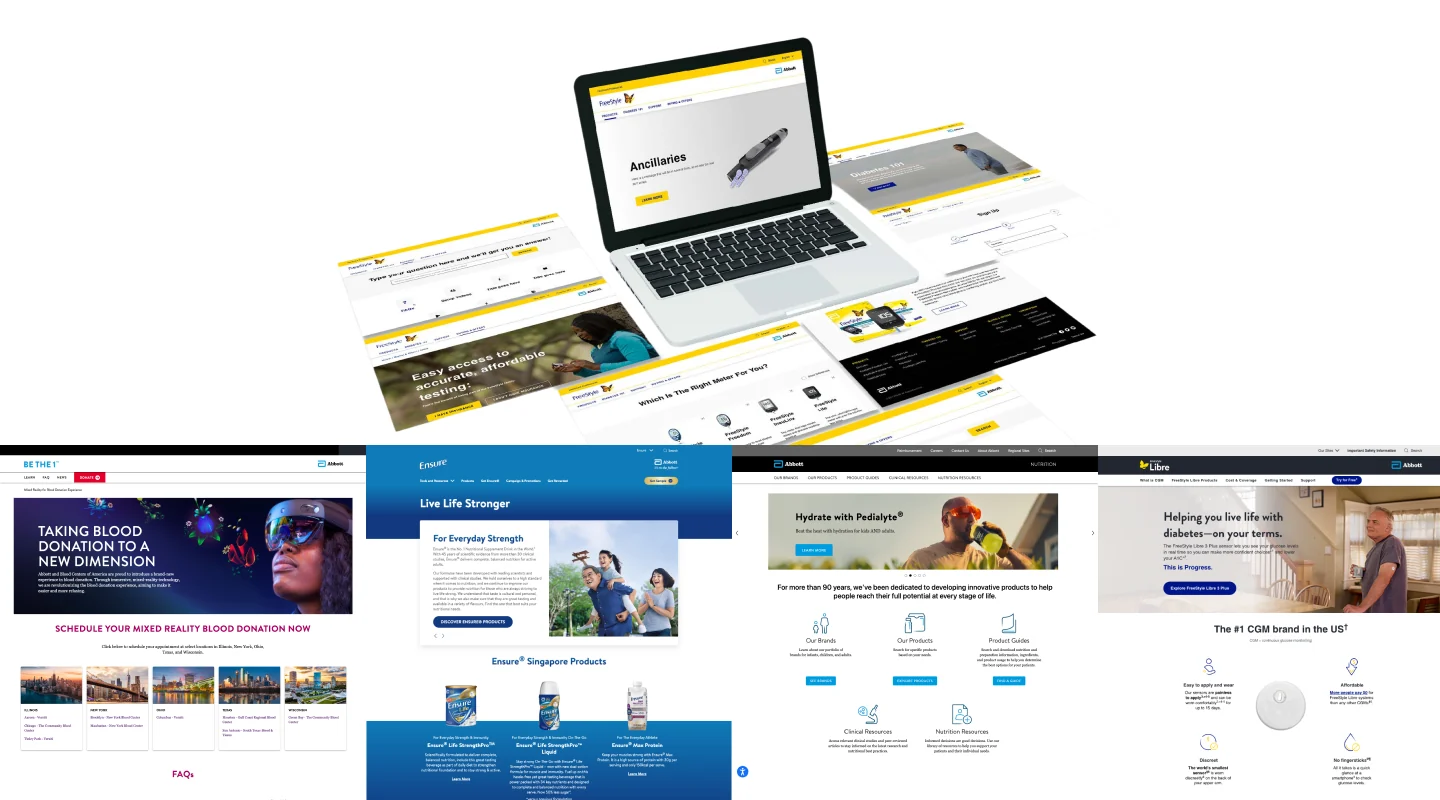
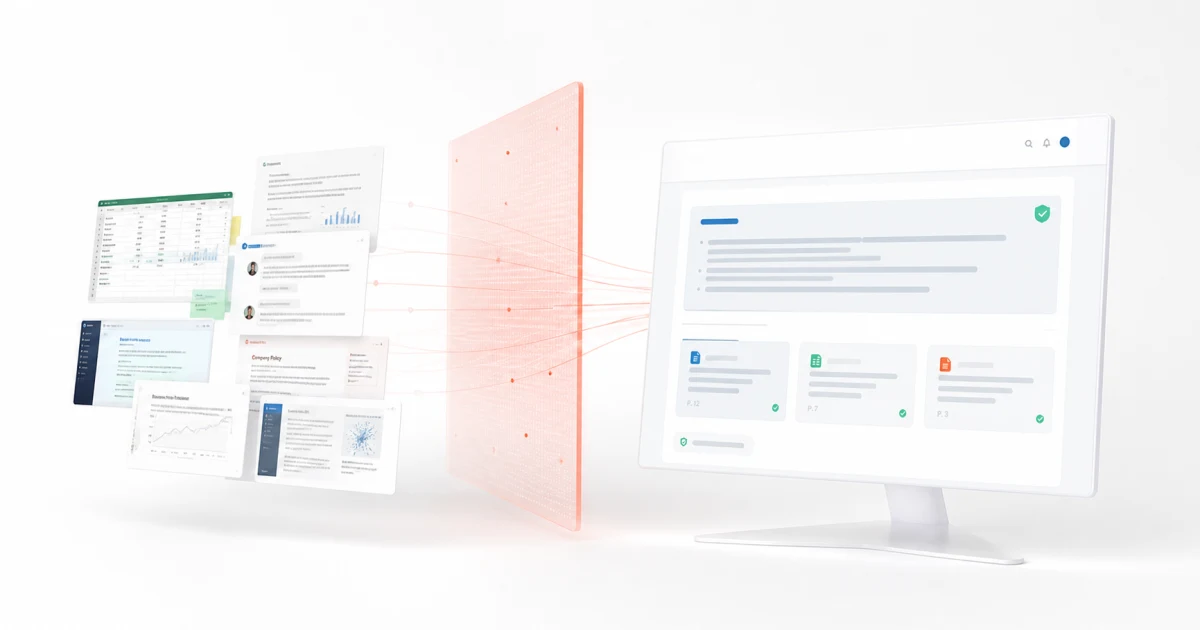
Enterprise design system foundations: reusable templates, componentized pages, and cross-brand patterns for scalable delivery.
The Situation
A global enterprise was managing a large and disconnected digital ecosystem. Teams across regions and vendors were solving similar design and development problems repeatedly, creating inconsistent experiences, slow production cycles, redundant effort, and avoidable delivery cost.
The work began as a limited design system effort for one regulated division. Early discovery showed that a divisional solution would only solve a local symptom. The broader problem was systemic: the organization needed one governed way to design, build, review, and scale digital experiences across hundreds of properties.
That insight shifted the work from a component library to an enterprise delivery model.
The Journey: From Divisional Pilot to Global Standard
“The work was not just building components. It was building the operating system for how digital work moved across the enterprise.”
Phase 1
Proving the Model in One Division
The first phase focused on a regulated division with immediate delivery and consistency needs. We conducted discovery, established initial design principles, and built a V1 component library that created early trust and gave the organization a working proof point.
Phase 2
Building the Engine for Scale
As the work expanded, I led the migration from Sketch to Figma and focused the system on a coded source of truth. Storybook was explored, but the enterprise complexity required a proprietary in-house solution based on Storybook principles and aligned with AEM delivery pipelines.
Phase 3
Using the APAC Pilot to Prove ROI
To secure enterprise-level buy-in, I orchestrated an APAC pilot across approximately 50 sites. The pilot demonstrated more than 50% lower delivery costs through automation and became the internal proof point for global expansion.
Phase 4
Scaling Governance Across the Enterprise
With pilot data in hand, I helped secure the mandate to scale the system globally. The final model included cross-brand theming, reusable patterns, formal governance, vendor onboarding, accessibility reviews, and a delivery process that could support 800+ digital properties.
Leadership Through Uncertainty
This project required two forms of leadership: securing enterprise commitment for a new operating model and designing a system flexible enough to support global scale without losing control.
1. Turning a Pilot into an Enterprise Mandate
The primary leadership challenge was organizational inertia. Teams were used to their own tools, vendors, patterns, and delivery habits. A global mandate would not be accepted through design preference alone.
The APAC pilot became the business case. By showing that approximately 50 sites could be delivered with more than 50% lower delivery costs, the conversation shifted from design consistency to operational efficiency. That evidence helped secure executive support for global scale.
2. Designing for Brand Flexibility and System Control
A single rigid system would not work across a global portfolio with multiple brands, markets, and delivery teams. The architectural decision was to create a centralized source of truth supported by a flexible theming model.
This allowed the organization to preserve brand variation while keeping core components, accessibility standards, and delivery workflows consistent.
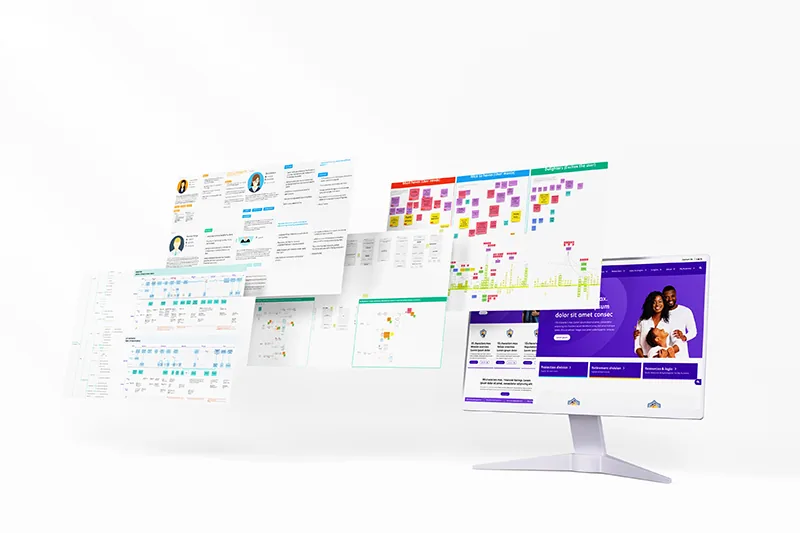
Cross-brand templates and componentized pages showing how theming and reusable patterns supported scale across 800+ properties.
Designing for a Global Ecosystem
The design system had to serve more than designers. It needed to support engineering, business leads, delivery teams, vendor partners, and accessibility governance.
The system was structured around three practical needs: reduce duplicated design and development effort, create predictable delivery paths for internal and vendor teams, and preserve quality, brand flexibility, and accessibility at scale.
Key Stakeholder Needs & System Solutions
Stakeholder
Core Job (JTBD)
Key Design System Solution
In-House & Vendor Engineering
Build and deploy brand-compliant, accessible digital properties without rebuilding the same patterns repeatedly.
A coded source of truth aligned with AEM delivery pipelines reduced ambiguity and supported automated handoff.
In-House & Vendor Design
Deliver consistent, accessible experiences under tight timelines with clear standards and reusable patterns.
A Figma library and theming methodology gave designers reusable components, brand flexibility, and clearer quality expectations.
Business & Product Teams
Launch digital work predictably while meeting brand, compliance, and accessibility expectations.
Pre-vetted components and templates reduced production time by 40% and made delivery timelines more predictable.
Delivery Leads
Coordinate internal and vendor teams with fewer gaps, fewer one-off decisions, and clearer review paths.
Vendor onboarding, governance rituals, and centralized documentation created one shared operating model.
Accessibility Reviewers
Catch issues earlier and reduce costly late-stage remediation.
Accessibility reviews and WCAG 2.2 expectations were embedded into governance gates and system standards.
Building a High-Performing, Integrated Program
The design system succeeded because it became an operating model, not a shared Figma file. Architecture, governance, adoption, and quality control had to work together.
A Coded Source of Truth
The system connected design patterns to implementation through a proprietary in-house solution based on Storybook principles and aligned with AEM pipelines. This reduced handoff ambiguity and helped drive delivery efficiency.
A Cross-Brand Theming Model
The theming approach allowed multiple brands to use the same core system while preserving visual distinction. This gave the organization flexibility without returning to disconnected, one-off design work.
Governance and Vendor Enablement
I built the operational model for internal and external teams, including onboarding, documentation, design reviews, contribution expectations, and decision paths that kept the system usable at scale.
Accessibility by Default
Accessibility was built into the system through WCAG 2.2 expectations, formal reviews, and governance gates. This helped reduce accessibility defects by 18% while improving consistency across delivery teams.
Adoption Through Communication
Monthly newsletters and regular updates helped teams understand changes, adopt standards, and treat the system as a living product rather than a static library.
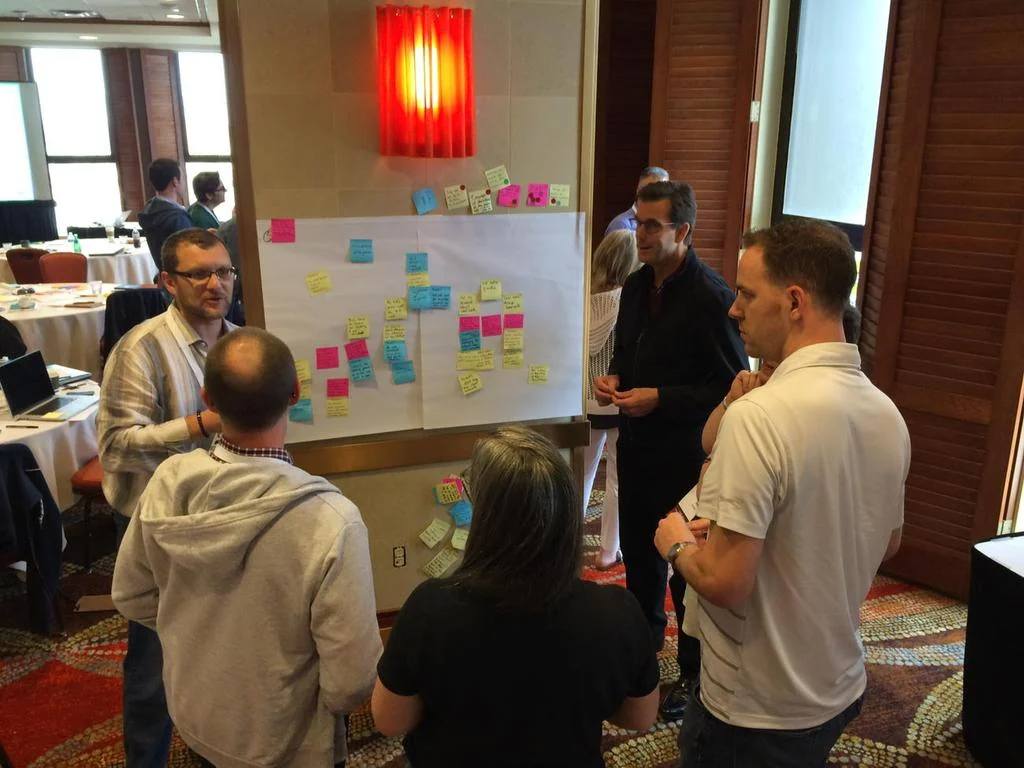
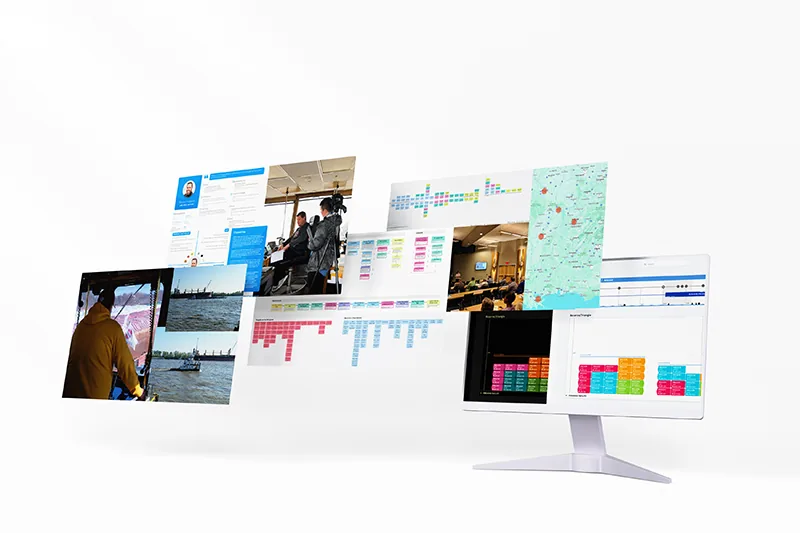
Governance working session: aligning standards, release cadence, adoption needs, and rollout priorities.
Before
Disconnected digital properties, duplicated work, inconsistent patterns, uneven accessibility practices, and fragmented vendor delivery.
After
One governed design system with reusable components, cross-brand theming, AEM-aligned implementation, vendor onboarding, accessibility reviews, and predictable delivery paths.
The Outcome
The enterprise design system became the shared foundation for digital delivery across a global portfolio. It reduced production time by 40%, lowered delivery costs by more than 50%, and helped reduce accessibility defects by 18%.
The system also changed how teams worked. Designers, engineers, vendors, product teams, and delivery leads had a clearer source of truth, a shared governance model, and reusable patterns that reduced one-off decision-making.
One proof point showed the operational value clearly: a new website moved from idea to launch in six weeks, a timeline that had previously been difficult to achieve in a regulated environment.
The lasting value was not only the design system itself. It was the enterprise operating model behind it: a repeatable way to deliver consistent, accessible, brand-aligned digital experiences at scale.
40% faster production through reusable patterns and clearer delivery paths.
50%+ lower delivery costs through automation, standardization, and reduced rework.
18% fewer accessibility defects through embedded reviews and governance.
800+ digital properties supported through a scalable system and operating model.